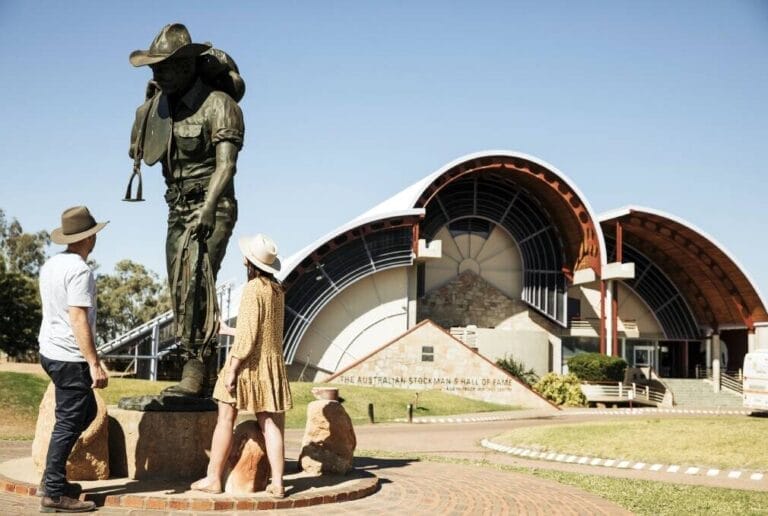
(a sketch, or better so, a pre-sequel to that particularly damning day)
The sun was a white fist over Brisbane. Luke van der Leeuw, six years old, stood on the footpath with his pockets full of secrets.
He had the knife.
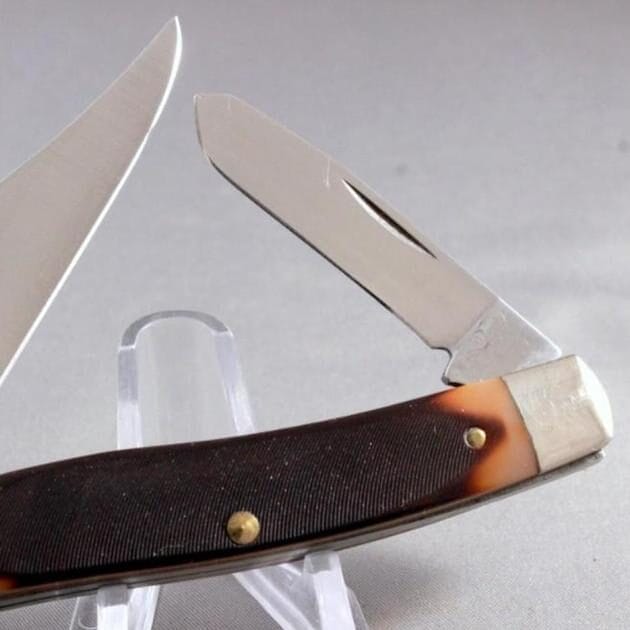
Not just any knife. An Old Timer pocket knife. His father had given it to him yesterday, pressing it into Luke's small palm like a handshake. The handle was saw-cut brown Delrin, warm and rough. The blade was high-carbon steel, still sharp. "This was my father's," his father had said. "Now it's yours. Don't lose it."
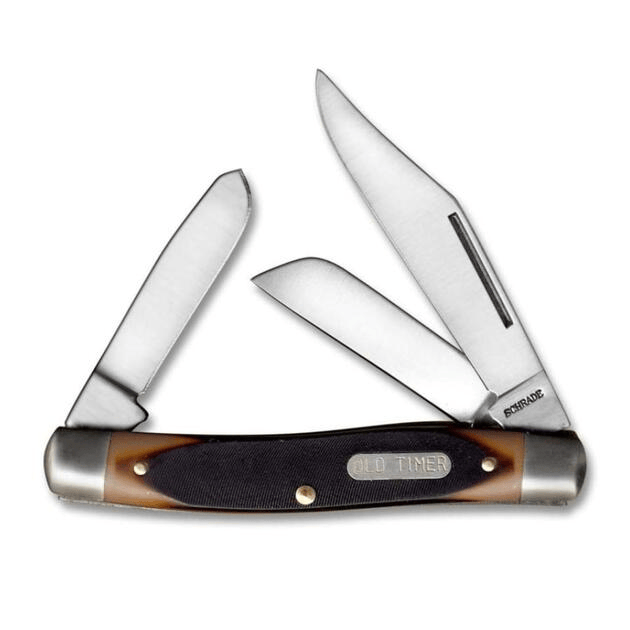
Luke hadn't lost it. He had kept it under his pillow all night, feeling the cool weight of it against his cheek. In the morning light, he took it outside.
He sat on the curb and opened the blade.
It caught the sun like a struck match. A flash of white light shot across the street—then another, and another, as Luke turned the knife in his small hands. He made the reflections dance on the footpath, on the gutter, on the trunk of the jacaranda tree. He aimed a beam at a passing magpie. The bird tilted its head and flew away.
"Look," Luke whispered to no one.
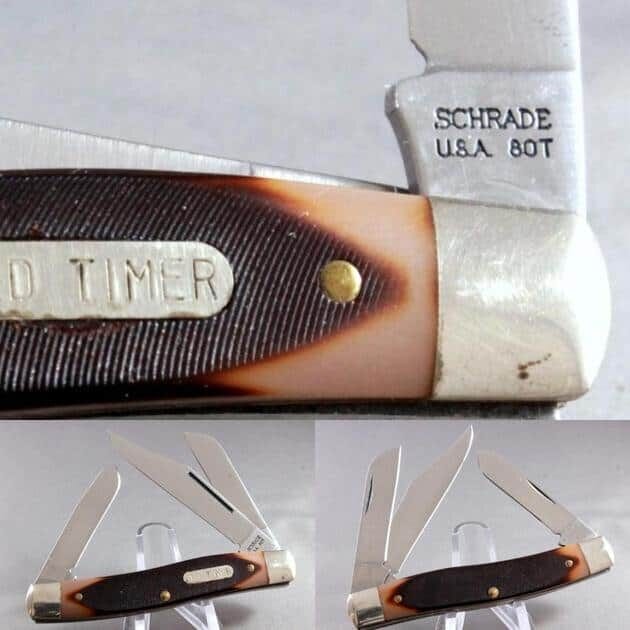
He loved the sound of the blade locking open. Click. He loved the way the steel held the sun inside it, bright as a scream. He opened and closed the knife ten times, twenty times, feeling the old spring resistance, the slow, serious weight of it. This was not a toy. His father had never called it a toy. But on this empty street, with no one to show, Luke played with it anyway.
He stuck the blade into the soft bark of the jacaranda. He pulled it out and watched the mark it left. He held the knife up to the sky and let the sun set the whole blade on fire.
No Ethan on his bike. No Mira with the jump rope. No twins from the yellow house. The sky was too blue, the grass too still. A sprinkler turned in someone's yard, throwing rainbows that vanished before they touched the ground.
Luke played alone for an hour. He made the knife flash signals to imaginary friends. He carved a shallow line in the curb. He balanced the open blade on his palm and watched the light slide along the edge like water.
The silence of the street wrapped around him like a blanket. No cars. No kids. Just the sprinkler and the sun and the bright, hungry thing in his hands.
The memory of last night came back to him in pieces.
The dinner table had two plates. His mother sat alone, staring at the clock. Luke's spaghetti was getting cold.
"Where's Papa?" Luke asked.
His mother didn't answer. She picked up the phone. Luke watched her fingers dial. He heard the ringing. Then his father's voice, distant and small.
"Where are you?" his mother said. Not angry. Something else. Something Luke didn't have a word for yet.
His father's voice buzzed through the receiver. Luke caught fragments: traffic... late... sorry...
"You said you'd be home," his mother said. Her hand was shaking. Luke noticed because she was holding the phone so tight her knuckles went white. "You promised."
More buzzing. His father's voice dropped lower. Luke couldn't hear the words anymore, just the shape of them—soothing, round, like stones in a river.
His mother closed her eyes. "I don't believe you," she said quietly. But then she said, "Okay. Okay. Just come home."
She hung up. She sat very still. Then she looked at Luke and smiled a smile that didn't reach her eyes.
"Papa's just late," she said. "Eat your spaghetti."
Luke ate. But he watched her. And he remembered how she had said I don't believe you in a voice that wasn't loud at all. It was soft. Like she was telling herself something she didn't want to hear.
Now, on the sunny street with no friends, Luke closed the Old Timer with a final click.
He looked up at the sky. The sun was moving. The blade had left a faint shimmer in his vision—ghost-light, fading slowly.
Luke put the knife back in his pocket. He sat on the curb for a long time. He didn't cry. He didn't call for his mother. He just touched the warm handle through the fabric of his shorts and watched the empty street and wondered, in the way six-year-olds wonder, why the day before something bad could be so bright and so quiet and so full of nothing.
The sprinkler kept turning.
The knife stayed dark in his pocket.
And somewhere out there, his father was still driving.
End of "Down Under"
To be continued in the next chapter, coming: the day after, when Luke learns that silence is not emptiness—it is a shape that waits. "Her name was Hope."